
Topic hub: The power of visual tools in food education
Welcome back to our Topic hub! This topic hub collates all our visual learning tools in one place.
Visual learning tools can play an important role in making complex ideas accessible to learners. This can be very useful in a classroom when teaching topics such as Healthy eating, cooking and where food comes from.
We have a large selection of visual resources such as posters, infographics, cards and graphical organisers. These resources are designed to support learners aged 3-16 years. Read ahead to see how they can be used in your classroom setting!
Why use visuals in food education?
Visual resources are powerful teaching tools as they can:
- help learners understand complex ideas, improve understanding and memory;
- support different learning styles and help visual learners process information through images, colour and layout;
- encourage discussion, visuals can act as a “hook” to engage learners;
- reinforce key messages such as food hygiene and safety, learners will repeatedly see the messages helping them remember the information;
- support practical learning, as visual guides can showcase good practice and techniques for cooking skills, this can develop independence in your classrooms;
- support cross-curricula links with other subjects such as science or geography;
- support an inclusive learning environment as visual supports benefit all students and can be used as a universal, whole-class strategy.
Source: Visual Supports within an Inclusive Learning Environment
Ways to use visuals in your classroom
Visual resources can be used throughout a lesson in many different ways;
- Lesson starters: display a poster, image or selection of cards. Use these to encourage discussion, predictions or questions about the lesson topic;
- Group analysis: split your class into groups. Give each group a different visual and ask them to interpret the information, complete a matching activity or use it to complete related tasks;
- Classroom displays: use the visuals to decorate the classroom or create food education related displays;
- Active learning: use the visual resources to encourage learners to take an active role in their learning;
- Assessment: the visuals can be used to assess the progress of learners in your lessons.
Planning
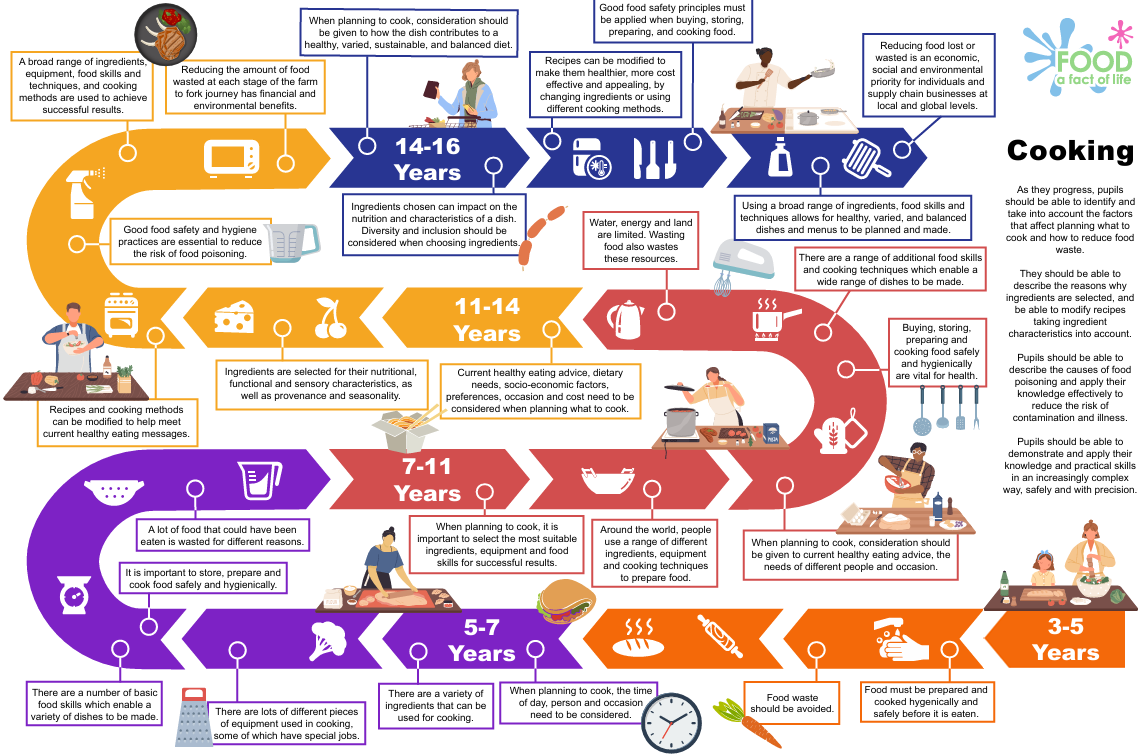
ROADMAPS
The Roadmaps are a visual guide to food and nutrition from 3-16 years and are a way of representing what pupils should learn throughout their scholastic journey. They can be used to helps schools audit their current food curriculum, demonstrate how topics link throughout age phases, show pupils their food learning journey and provide a visual representation of the Food- a fact of life education programme.
The Roadmaps cover the three key topics; healthy eating, cooking and where food comes from.
Read this blog to find out why teacher Jo Worthington loves the Food -a fact of life Roadmaps and how she’s using them in school.
KNOWLEDGE ORGANISERS
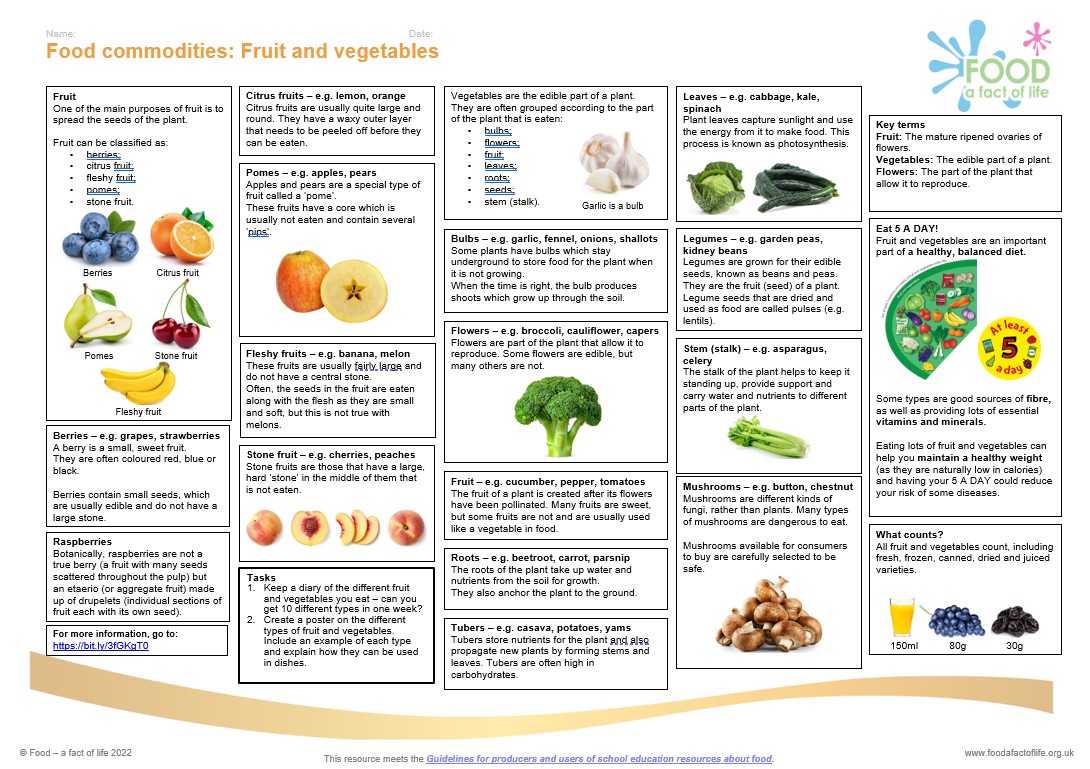
Our knowledge organisers provide key facts for pupils around healthy eating, cooking and where food comes from. They provide an outline of knowledge and skills that should be taught at each age phase and enable consistency between teaching colleagues in the same school or group of schools. The Knowledge organisers for pupils aged 5-7 years and 7-11 years are also available in Welsh!
The knowledge organisers can be used:
- prior to starting a topic
- as an assessment tool
- during lessons as a reminder of key terms, themes and to promote literacy
- as a revision tool
- to make flash cards
- to extend student’s knowledge completing related tasks
The knowledge organisers could be given to students or printed and displayed in your classroom. They are also fully editable so they can be adapted to suit the needs of your learners.
Find out more about how you can use the Knowledge organisers by reading this blog.
Teaching and learning
THE EATWELL GUIDE

We have a selection of visual resources to support teaching The Eatwell Guide. The following visuals could be used for display, discussion or explanation:
- The Eatwell Guide poster (basic)
- The Eatwell Guide poster
- The Eatwell Guide worksheet
- Blank Eatwell Guide poster
- The Eatwell Guide food cards
- The Eatwell Guide food cards (for younger children)
- Five food group cards
We also have videos which could be used when teaching The Eatwell Guide:
- What is The Eatwell Guide?
- Fruit and vegetables- The Eatwell Guide
- Potatoes, bread, rice, pasta and other starchy carbohydrates - The Eatwell Guide
- Beans, pulses, fish, eggs, meat and other proteins - The Eatwell Guide
- Dairy and alternatives - The Eatwell Guide
- Foods high in fat, salt and sugar - The Eatwell Guide
- Hydration - The Eatwell Guide
For more information on all things Eatwell Guide check out our topic hub!
HEALTHY EATING
To support teaching healthy eating, we also have a selection of visual cards that can be used in many ways. They could be used as flash cards, matching activities, a game of top trumps, to complete related tasks or even play bingo as an assessment tool!
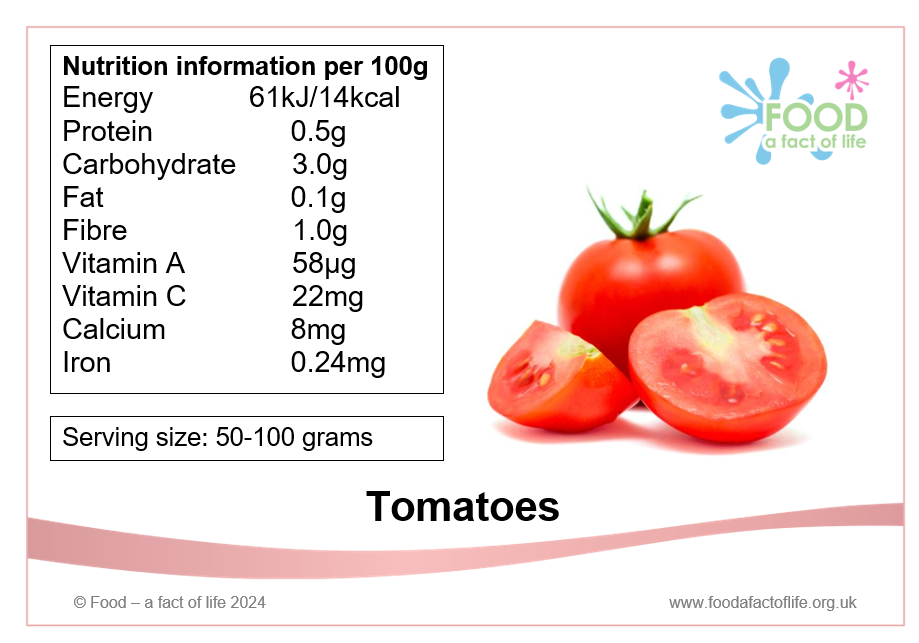
- Nutrient cards showing the amount of energy and nutrients provided by a range of foods.
- Nutrient treasure hunt sheet and treasure hunt cards.
- Nutrient matching cards for 7-11 and 11-14 years.
- Food image cards
- Food Bingo boards (basic)
- Multi-year bingo cards
- Fibre line up activity cards and answers
- Fruit and vegetable snack cards
- Vegetable cards
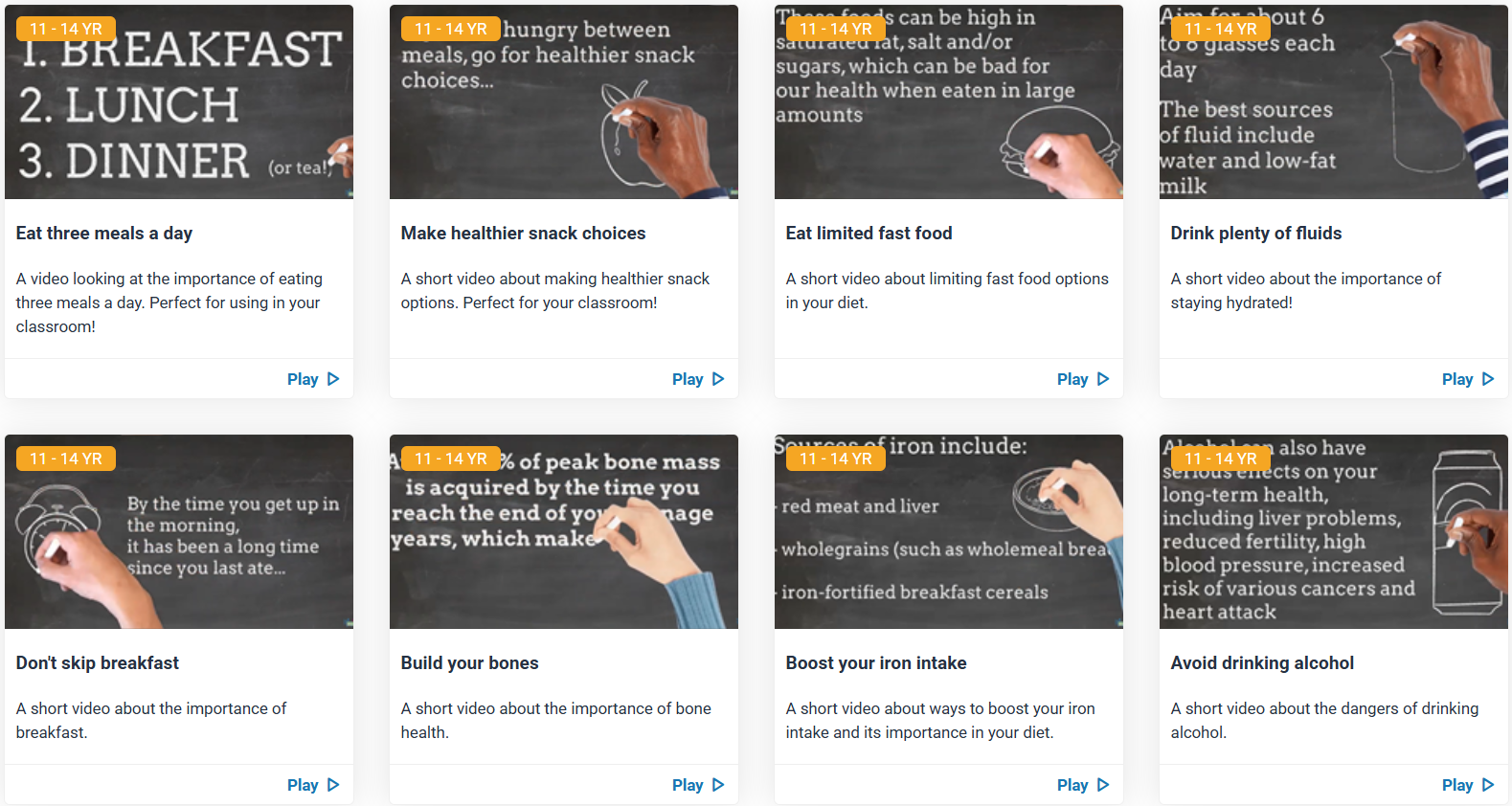
Bring healthy eating to life in your classroom with our animated Doodly videos!
These short, engaging videos break down key concepts such as the Eatwell Guide, balanced diets and healthier choices in a clear, student-friendly way.
These videos support visual learning and different learning styles.
COOKING
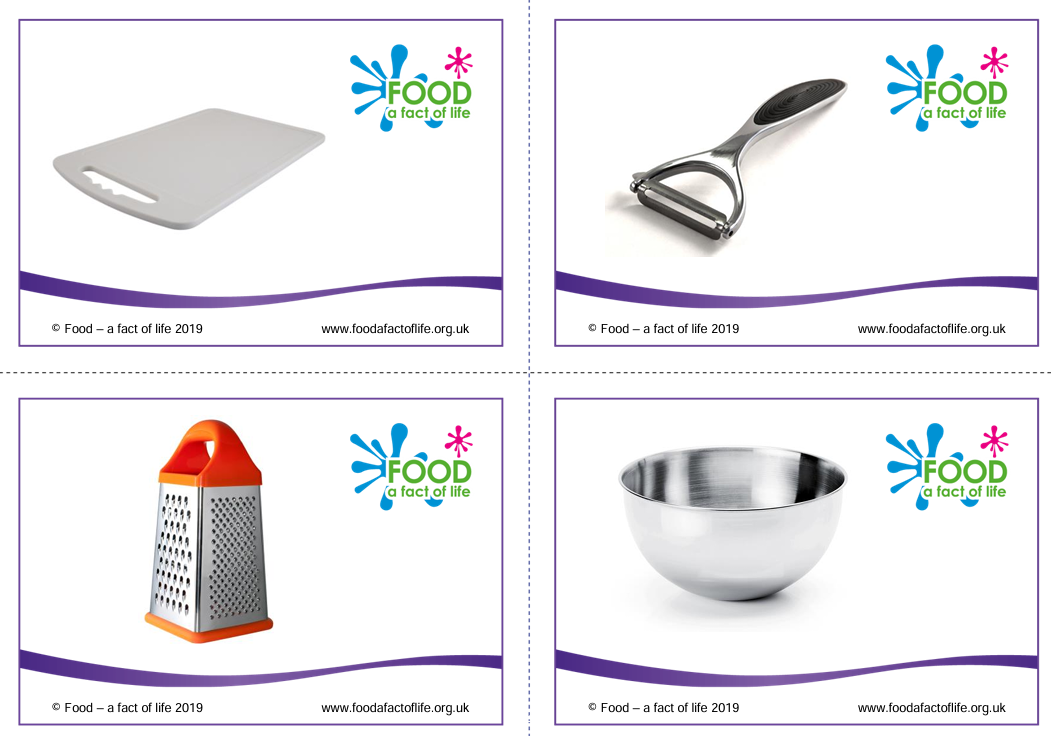
Use our visual tools to support practical learning when teaching learners food hygiene and safety and practical cooking skills.
For food hygiene and safety:
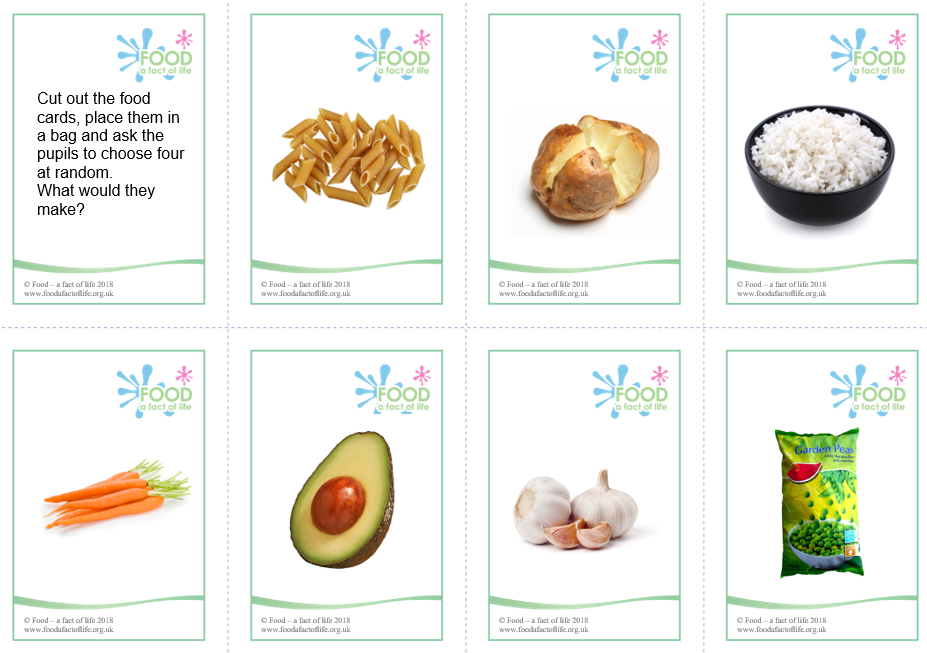
For recipe modification or nutritional analysis:
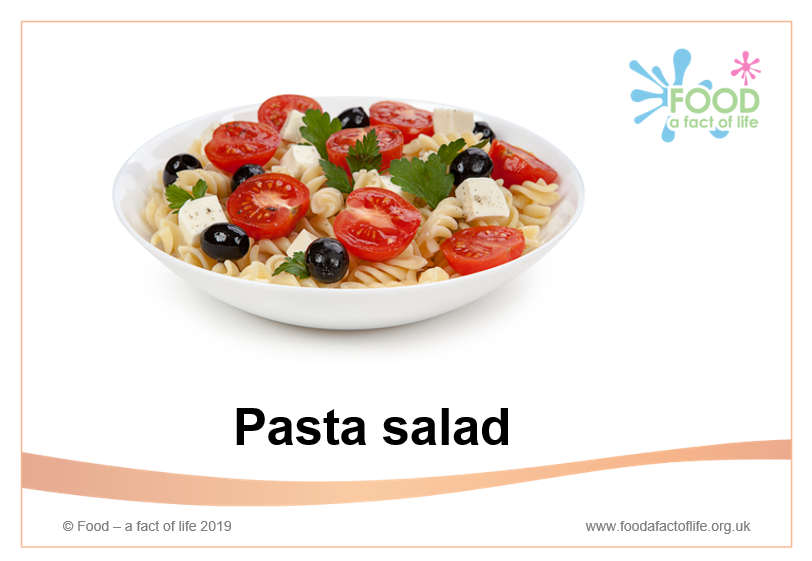
For meal ideas and inspiration:
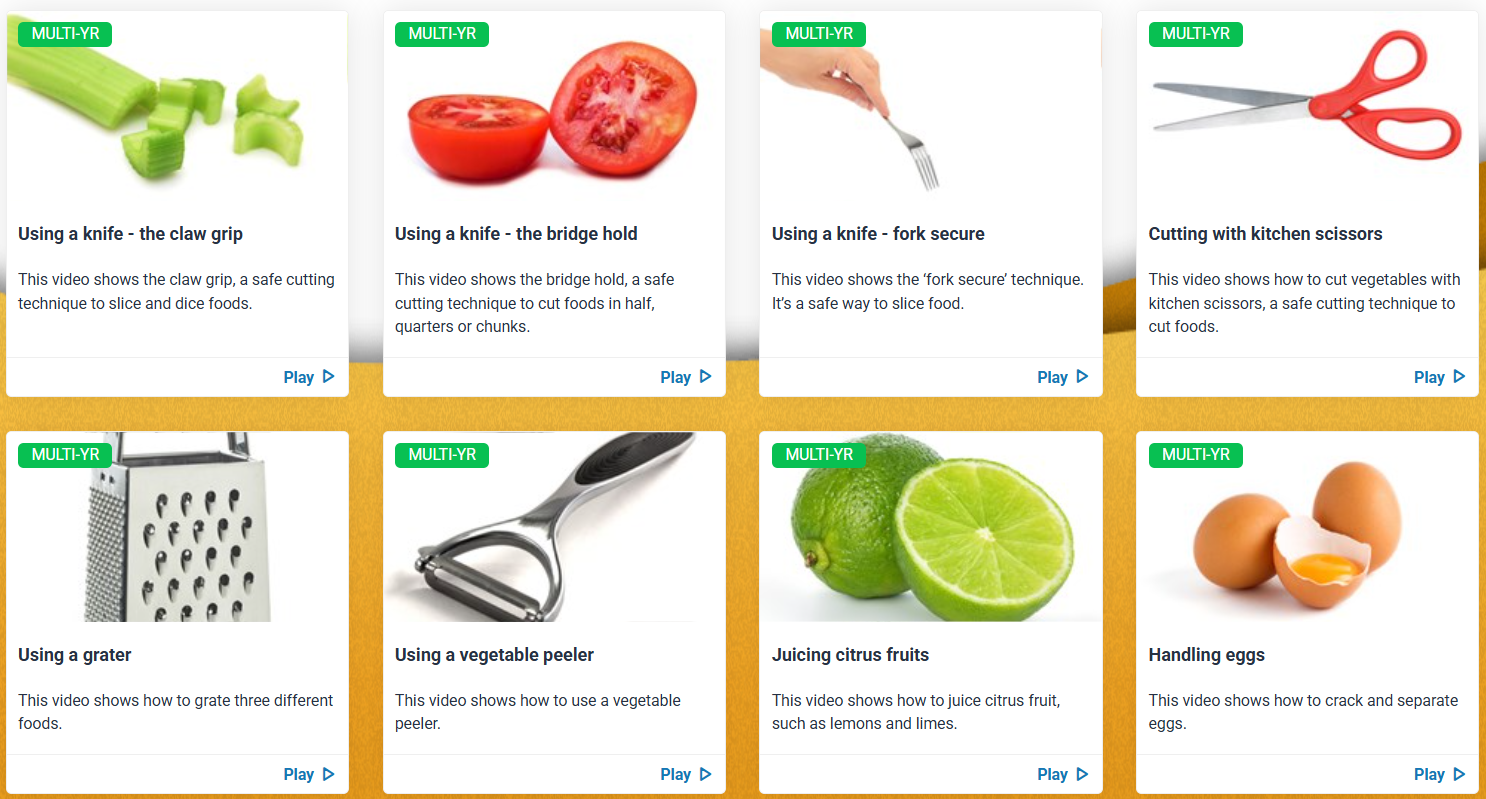
For practical food skills we have a selection of videos which can be used to showcase practical cookery skills to you or your students.
The videos are the need-to-know for your pupils in their food and cooking journeys. We have two versions of these videos: for pupils and teachers. The pupil version are 'peer to peer' videos, which means that your pupils can watch people like them perform the skills they are about to practise!
The teacher versions are instructional videos containing additional information and context for teachers, including best practice guidance. There are also videos that include supporting information around the food science being demonstrated in recipes and dishes, such as gluten formation and raising agents, gelatinisation and coagulation.
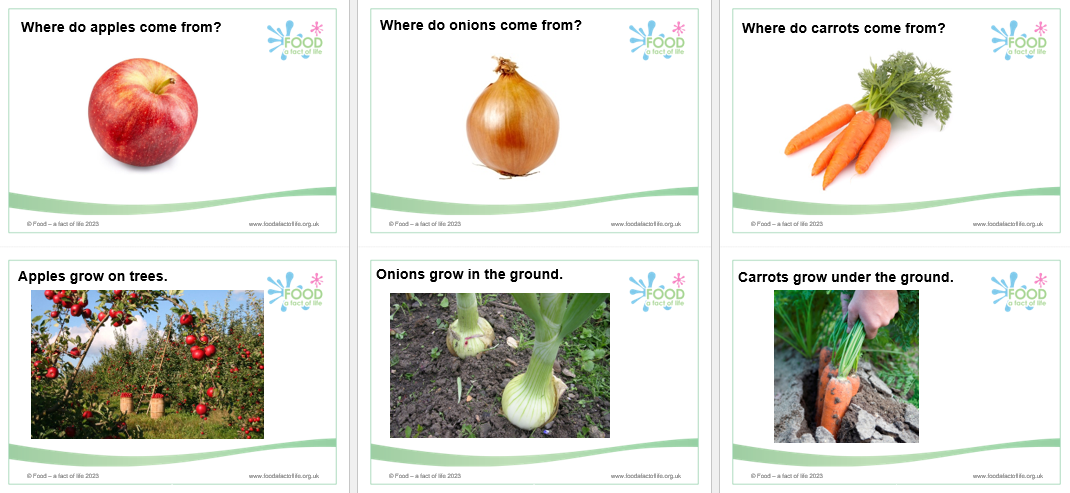
WHERE FOOD COMES FROM
Visual tools can support teachers in delivering where food comes from to their students.
- Where food comes from matching cards
- UK food cards and labels
- A set of cards showing foods from around the world and labels
- Food origin cards
- A set of pictures and worksheet sorting foods in plant or animals
- A set of cards looking at the seasons
- A set of cards showing different shops and foods found there
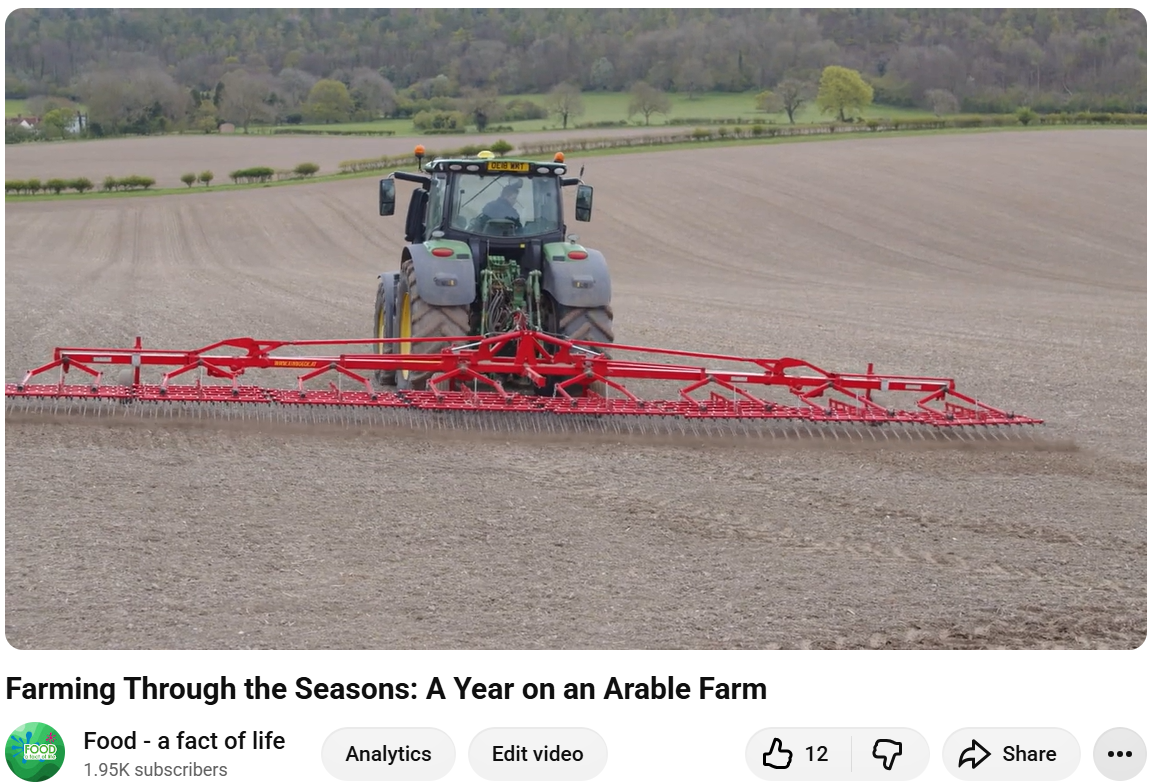
Explore the four seasons on an arable farm with your students. Check out our blog to look at questions from primary school students about farming.
We also have a selection of videos detailing where different foods come from, such as milk, honey, rice, eggs, peppers and sweetcorn. Use the videos to connect where food comes from with the everyday lives of your students!
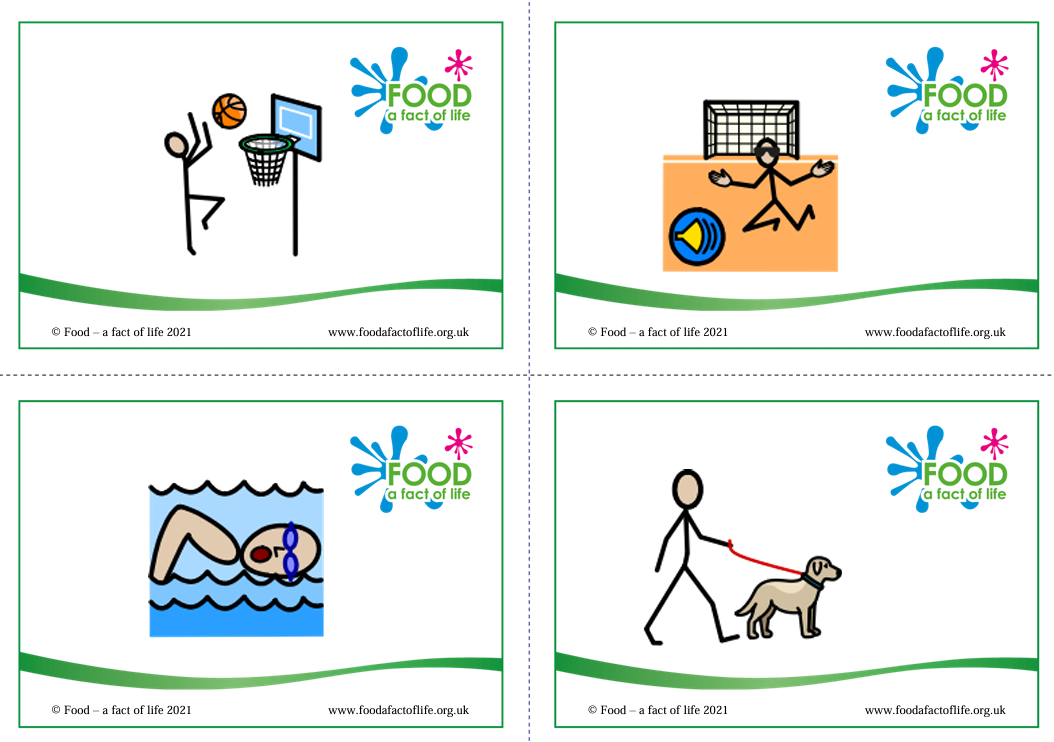
Discuss physical activity and being active using our activity cards and class activity chart.
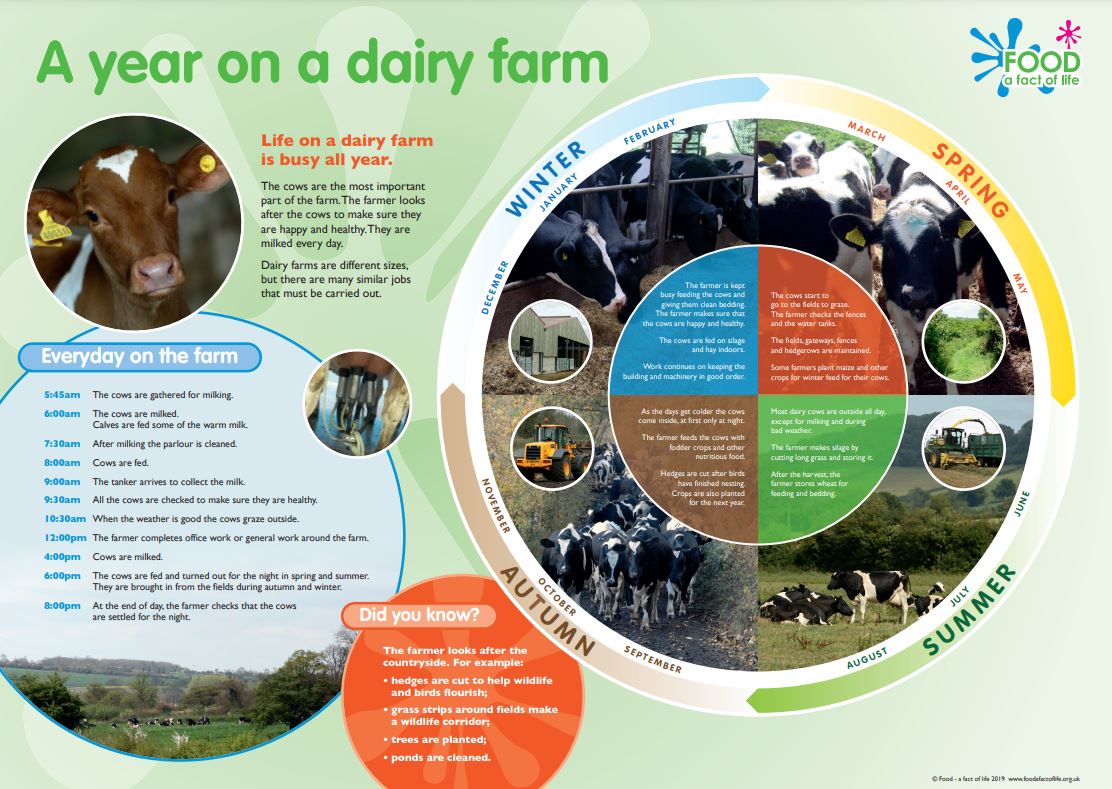
AHDB have a selection of free posters, stickers and visuals which can be used to support teaching or display in your classroom. Some of these resources are also available in Welsh.
The resources can be ordered here.
SUPPORTING PUPILS WITH ADDITIONAL NEEDS
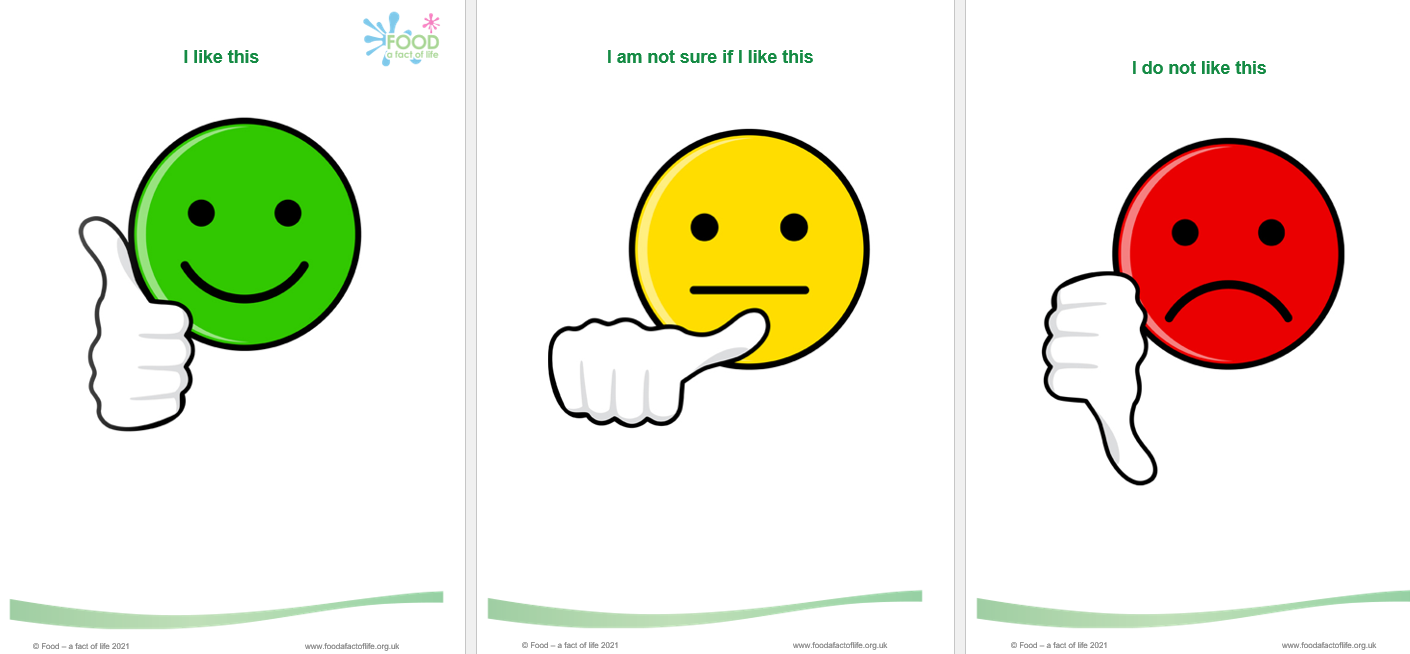
To support pupils with additional needs we have a selection of visual resources which can facilitate an inclusive learning environment.
For cooking resources:
- practical food skill chart
- which chopping board?
- safe storage cards and a worksheet to explore food storage
- sequencing activity for washing up
- serving food presentation and worksheet
Check out our recipes using Widgit Symbols to promote practical food skills and independence:
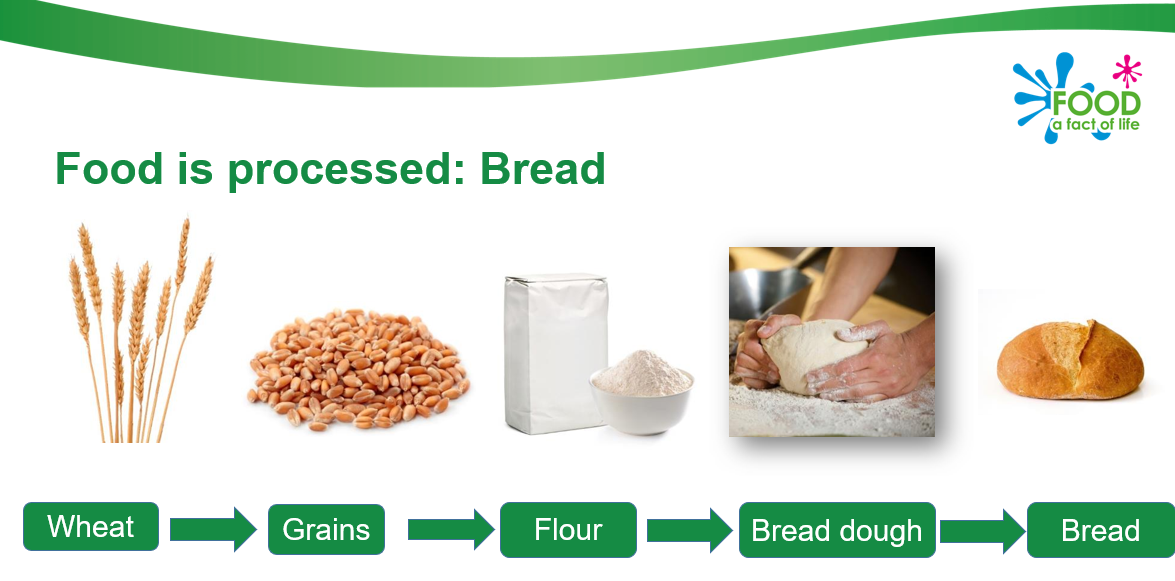
Turn everyday lessons into memorable learning experiences!
Visual resources are an effective way to support food education in schools. By using the wide range of resources available from Food – a Fact of Life, teachers can enhance lessons, encourage discussion and help pupils develop essential knowledge about healthy eating, cooking and where food comes from.

Is there something wrong with the page? Do you have a suggestion or would like to see something on this page?